
What you need to know about
exfoliating your skin.
What you need to know about exfoliating your skin.
The Basics
What is exfoliating?
Exfoliating is a skincare step that helps remove dead skin cells from the outer layer of your skin. Your skin naturally sheds dead skin cells (a process known as desquamation), but exfoliating helps speed that process up.
How do I exfoliate my skin?
You can exfoliate your skin with chemical exfoliators such as PHAs, BHAs, and AHAs. You can also exfoliate your skin with scrub-like, granular ingredients like Sea Salt. Exfoliating tools like a dry brush, can also help you quickly slough away dead skin cells.
Why should I exfoliate?
When dead skin cells build up, they can make skin look dull and feel rough, clog pores and lead to blemishes and bumps. Regularly removing dead skin cells helps skin look bright, feel smooth and appear healthier.
Why do dead skin cells build up?
For lots of reasons! Age is a factor. As you get older, skin’s natural desquamation process slows down and can lead to a buildup of dead skin cells. Not cleansing your face well enough can leave pore-clogging buildup behind. Exposure to the sun and dry climates can lead to dry, dehydrated skin; and when skin’s natural oil and moisture balance is disrupted, its ability to shed dead skin cells can be impacted, too.
Should I exfoliate sensitive skin?
Anyone with sensitive skin can still get the skin-sloughing benefits of exfoliation. The key is to choose the right skincare products. Look for exfoliating skincare with ingredients that are known to be gentle on skin and hydrating. PHAs (short for Polyhydroxy Acid) are a class of chemical exfoliators that help resurface and retexturize skin by speeding up cellular turnover. PHAs have a larger molecular size than both AHAs and BHAs so they don’t penetrate the skin as deeply and absorb at a slower rate which make them a better option for sensitive skin. They are also a humectant which means they help attract water to skin.
The Regimen
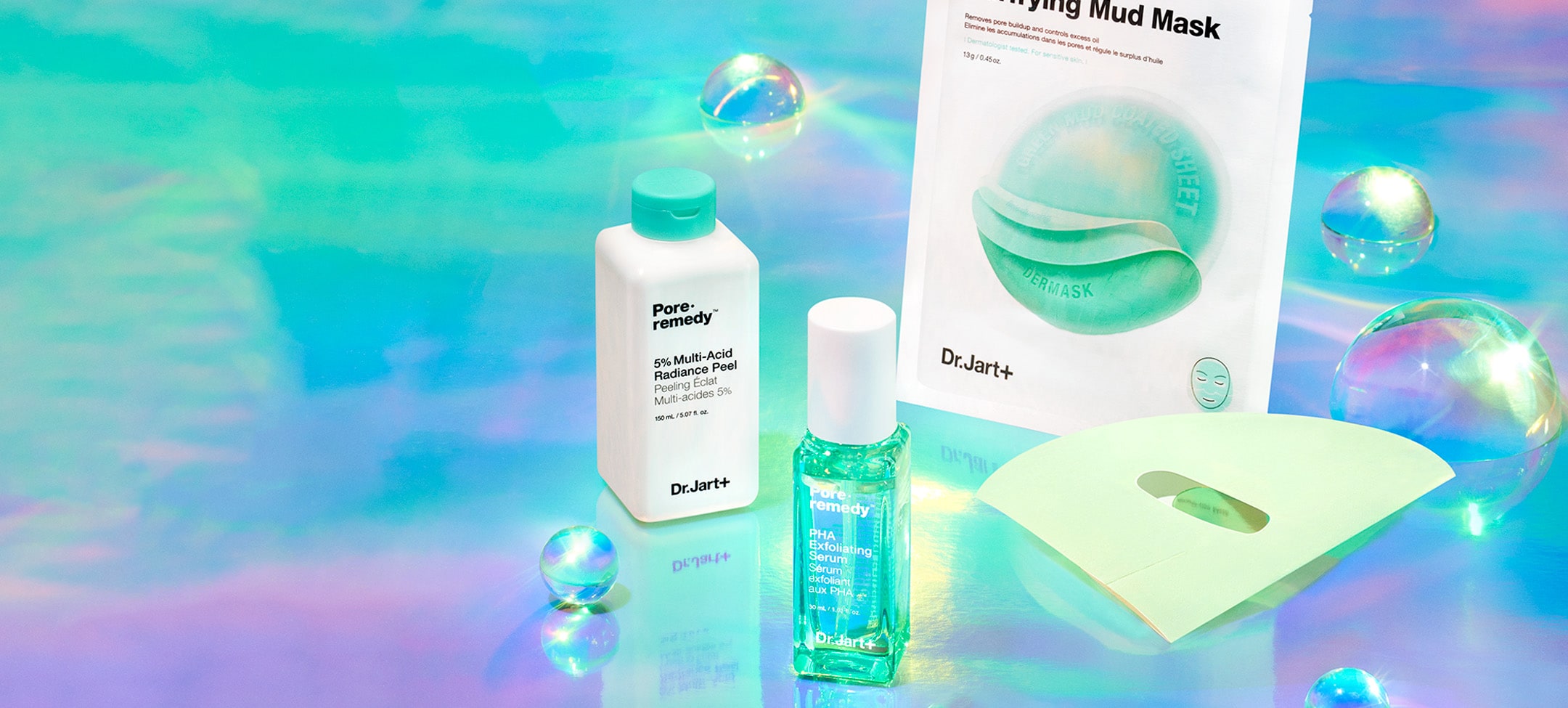
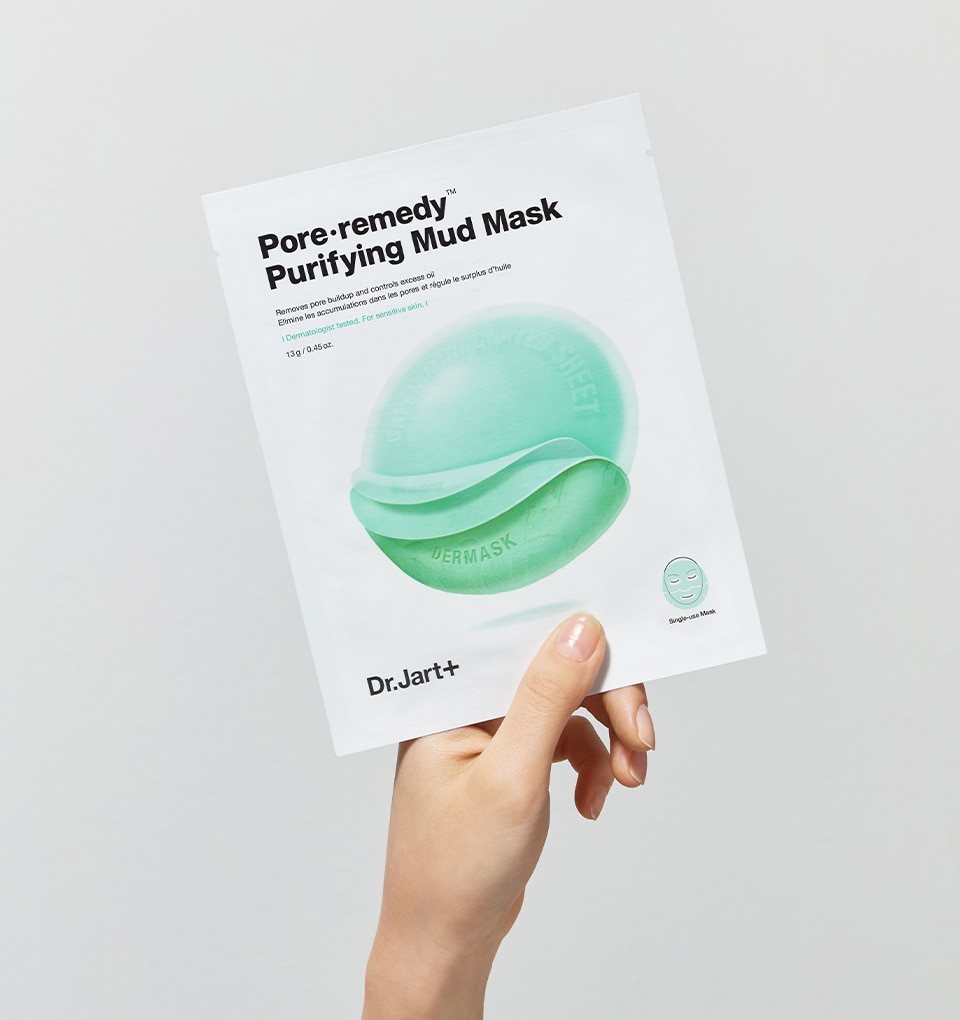
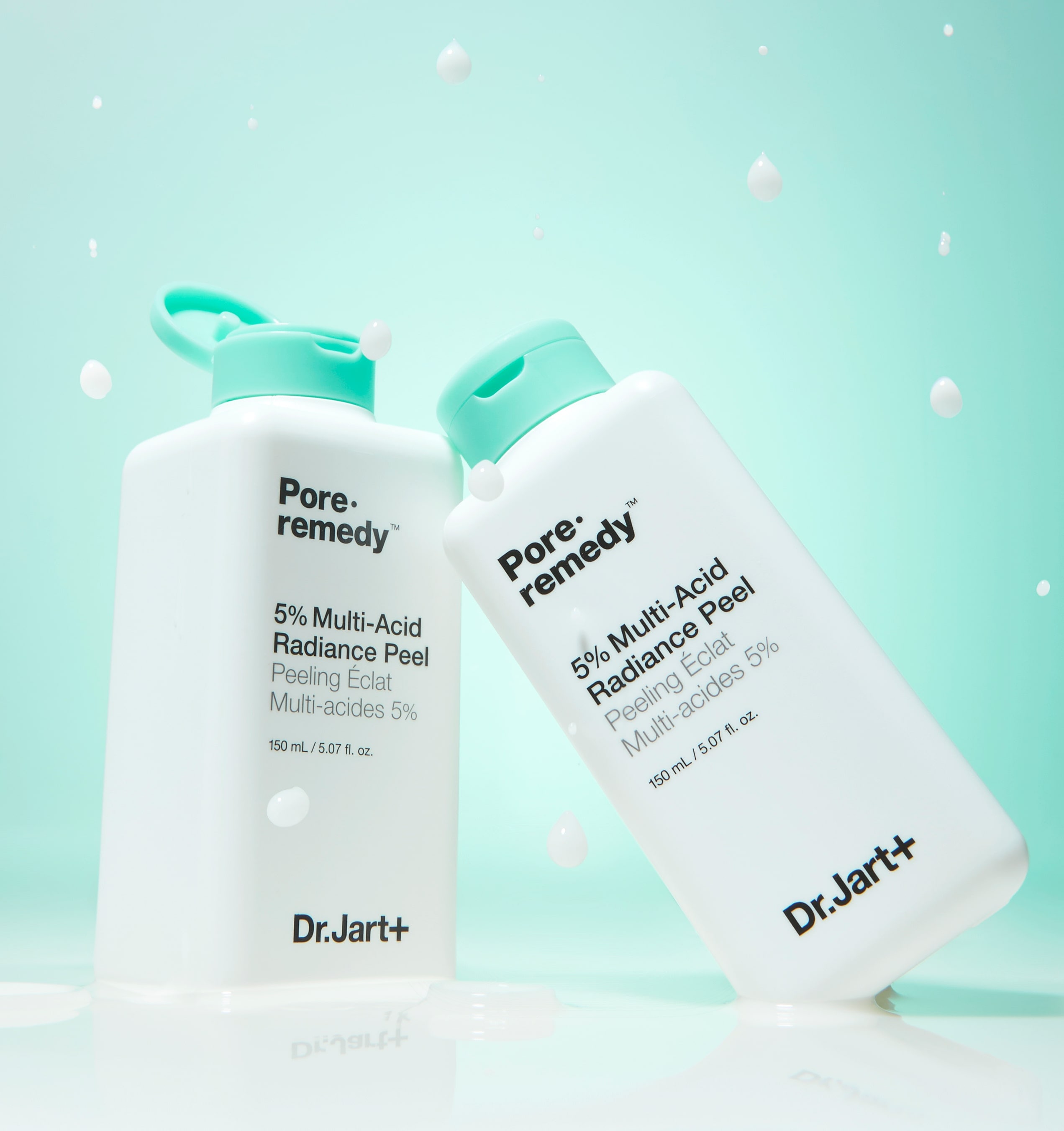
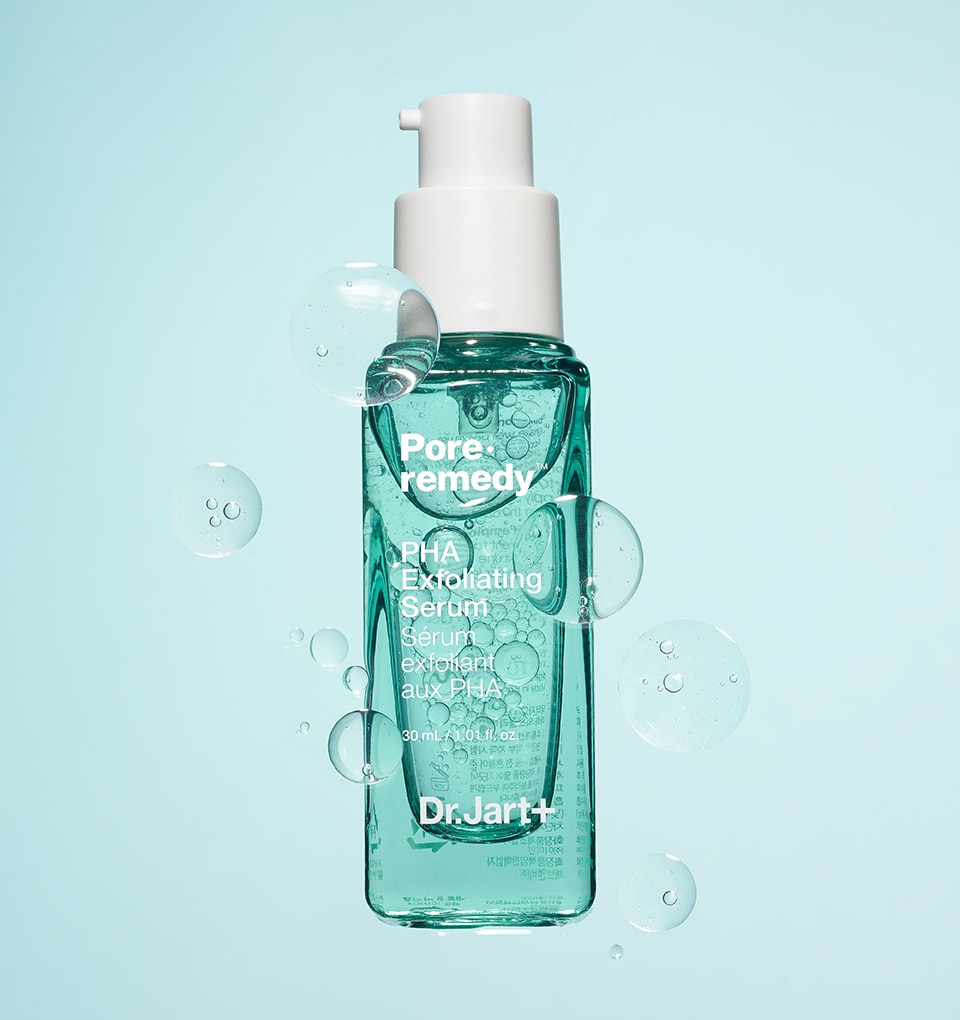
Now that you know why exfoliating the face is a must, let’s talk regimen. Depending on your skin type and skin goals, you can incorporate a face exfoliator into your regular skincare regimen two to three times a week, or every day. Introduce an exfoliating mask to your lineup after cleansing and toning to help decongest pores, decrease blackheads and smooth skin. You can add an exfoliating face peel formulated with AHAs and BHAs to help dissolve skin-dulling dead skin cells and give you brighter, more radiant skin. Squeeze one into your regimen a few times a week at night before applying moisturizer. If you have a serum that you already love, you can add an exfoliating face serum in to give you consistent skin-sloughing benefits. Apply the thinner serum first, then the thicker one. If you are using an exfoliating face product with a chemical exfoliant such as glycolic acid, AHAs, BHAs or PHAs, slather on sunscreen every few hours as skin will be more sensitive to the sun.
Exfoliation FAQs
What does exfoliating do for your skin?
Exfoliating removes dead skin cells from the surface of your skin, helping to smooth texture, visibly brighten tone, and improve how well products absorb.
Why is exfoliation important in a skincare routine?
Regular exfoliation keeps pores clear, helps prevent buildup that can cause dullness or breakouts, and helps healthy skin cells surface.
What’s the difference between chemical and physical exfoliation?
Chemical exfoliants use acids or enzymes (like AHAs, BHAs, or PHAs) to dissolve dead skin cells, while physical exfoliants use small particles or tools to manually polish the skin.
Which is better: chemical or physical exfoliation?
It depends on your skin type and sensitivity. Chemical exfoliants tend to be gentler and more even, while physical ones can provide instant smoothness if used carefully.
Routine & Frequency
How often should I exfoliate my skin?
Most people can exfoliate 2–3 times a week, but this varies by skin type and exfoliant strength. Over-exfoliating can cause irritation or dryness.
Can I exfoliate every day?
Only very gentle exfoliants (like PHAs or enzyme-based formulas) may be safe for daily use. Stronger acids or scrubs should be limited to a few times per week.
Should I exfoliate in the morning or at night?
Nighttime is ideal since exfoliation can make your skin more sensitive to sunlight. Always apply SPF in the morning after exfoliating.
What should I do after exfoliating?
Follow with a hydrating serum or moisturizer to replenish moisture, and use sunscreen during the day to protect the skin.
By Skin Type
What’s the best exfoliant for dry skin?
Look for gentle chemical exfoliants like lactic acid or PHAs paired with hydrating ingredients such as hyaluronic acid or ceramides.
How can I exfoliate if I have oily or acne-prone skin?
BHAs like salicylic acid can penetrate pores and remove excess oil while helping to prevent breakouts.
Is exfoliation safe for sensitive skin?
Yes—use mild chemical exfoliants (like gluconolactone) or enzyme exfoliators once a week. Avoid harsh scrubs or strong acids.
Can I exfoliate if I have rosacea or eczema?
Consult a dermatologist first. In most cases, avoid physical exfoliants and choose soothing, barrier-supporting formulas.
What ingredients should I avoid when exfoliating?
Skip harsh scrubs with large or rough particles, and don’t mix strong exfoliants with high-concentration retinoids or other acids.
Can I use retinol and exfoliants together?
Use them on alternate nights or follow professional advice. Combining both can increase sensitivity.
What are AHAs, BHAs, and PHAs?
AHAs (like glycolic or lactic acid) brighten and smooth.
BHAs (like salicylic acid) clean deep into pores.
PHAs are gentler, perfect for sensitive skin.
How do I know if my exfoliant is working?
Your skin should feel smoother, look more even, and have a healthy glow—without irritation or flaking.
Lifestyle & Safety
Can I exfoliate before or after shaving?
Exfoliate before shaving to remove dead skin and help prevent ingrown hairs—but avoid right after, as the skin may be more sensitive.
Can I exfoliate before using a face mask?
Yes, exfoliating first helps the mask absorb better and deliver more benefits.
Can exfoliating make my skin peel?
Mild flaking can happen when you start using acids, but if skin becomes red or irritated, reduce frequency or switch to a gentler product.
Should I exfoliate before applying makeup?
Exfoliating before makeup can create a smoother surface for foundation—but don’t overdo it or apply immediately after strong exfoliation.
Brand & Product Connection (Dr.Jart+ Specific)
Which Dr.Jart+ products contain exfoliating ingredients?
Look for formulations featuring gentle acids or enzymes—like Cicapair™ or Pore Remedy™—that exfoliate while supporting skin barrier health.
Does Dr.Jart+ have exfoliating products for sensitive skin?
Yes. Products with PHAs or soothing ingredients like Centella Asiatica are ideal for delicate skin types.
Can I combine Dr.Jart+ exfoliating products with other skincare steps?
Yes—use them after cleansing and before hydrating serums or moisturizers. Always finish with SPF in the morning.